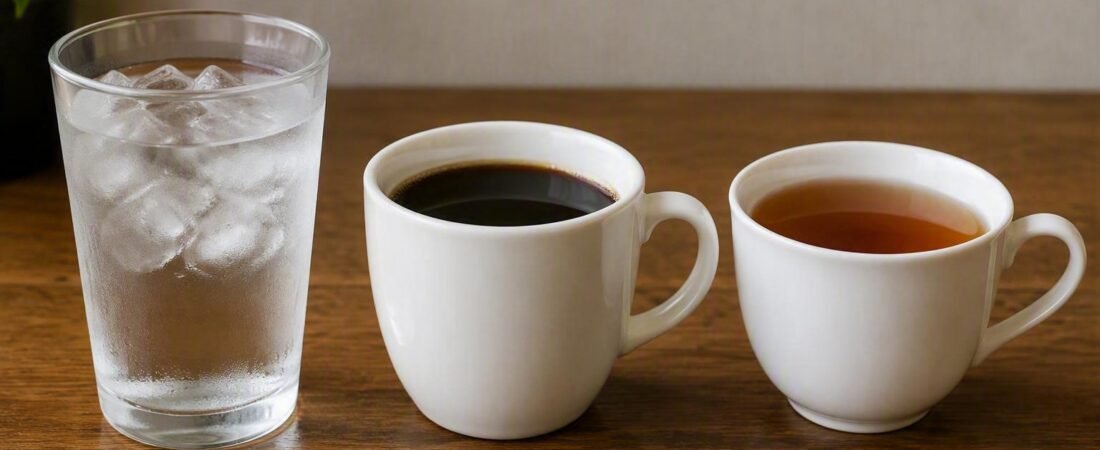
When you begin intermittent fasting, one question usually appears immediately: What can you drink during the fasting window without breaking your fast?
The simplest rule is to choose drinks that contain no calories, sugar, milk, cream, or other ingredients your body must process as food. Fortunately, you still have several satisfying options that can make a fasting schedule easier to follow.
Here are seven smart drinks for intermittent fasting beginners.
1. Plain Water
Plain water is the safest and simplest fasting drink. It contains no calories and helps you stay hydrated throughout your fasting window.
Keep a glass or reusable bottle nearby and drink regularly instead of waiting until you feel extremely thirsty. Water can also help when you mistake thirst for hunger.
Cold water, room-temperature water, and warm water are all acceptable. Choose whichever makes fasting easier for you.
2. Sparkling Water
Unsweetened sparkling water can provide some variety when plain water becomes boring. The carbonation may also help some people feel more satisfied.
Check the label carefully. Choose sparkling water without sugar, juice, honey, or calories. Naturally flavored varieties may be acceptable if they truly contain zero calories, but plain sparkling water is the safest choice for a strict fast.
3. Black Coffee
Black coffee is one of the most popular drinks during intermittent fasting. Coffee without milk, cream, sugar, flavored syrup, or creamer contains very few calories and is commonly included in fasting plans.
Coffee may temporarily reduce appetite for some people, making the morning fasting hours easier. However, too much caffeine can cause shakiness, heartburn, anxiety, trouble sleeping, or a rapid heartbeat.
If coffee bothers your stomach or makes you uncomfortable, do not force yourself to drink it.
4. Decaffeinated Black Coffee
Decaffeinated black coffee offers the familiar taste and warmth of coffee with much less caffeine. It can be a good choice if regular coffee makes you jittery or interferes with sleep.
As with regular coffee, drink it black during your fasting window. Adding cream, milk, sugar, or sweetened flavoring adds calories and generally breaks a strict fast.
5. Unsweetened Black or Green Tea
Plain black tea and green tea are simple, calorie-free alternatives to coffee. They contain caffeine, although usually less than a typical cup of coffee.
Drink the tea without sugar, honey, milk, or cream. Hot tea may feel especially satisfying during colder weather, while unsweetened iced tea can be refreshing during the summer.
Read bottled-tea labels carefully because many premade teas contain surprisingly large amounts of added sugar.
6. Unsweetened Herbal Tea
Herbal tea is another useful option, particularly for people who want to avoid caffeine. Peppermint, chamomile, ginger, and other plain herbal teas can add flavor and variety to a fasting routine.
Choose a tea without sweeteners, dried fruit pieces that add sugar, or other calorie-containing ingredients. Some herbal products may also interact with medications, so check with your healthcare professional or pharmacist if you take prescription medicine.
7. Zero-Calorie Electrolyte Water
A zero-calorie electrolyte drink may be helpful for some people, particularly during hot weather or after increased physical activity. However, many electrolyte drinks contain sugar and calories, so check the nutrition label.
Look for zero calories and zero grams of sugar. If you have high blood pressure, kidney disease, heart disease, or take medication that affects sodium or potassium, ask your healthcare professional before regularly using electrolyte supplements.
Most beginners who are doing a normal daily fasting window and drinking enough water will not automatically need a special electrolyte product.
Drinks That Usually Break a Fast
Some beverages sound healthy but still contain enough calories or sugar to end a strict fast. These commonly include:
- Coffee with cream, milk, sugar, or flavored creamer
- Sweetened tea
- Fruit juice
- Regular soda
- Sports drinks containing sugar
- Protein shakes
- Meal-replacement drinks
- Smoothies
- Milk and plant-based milk
- Alcohol
- Bone broth
These drinks can still be consumed during your eating window if they fit your needs. The important distinction is that they are not calorie-free fasting drinks.
Do Artificial Sweeteners Break a Fast?
Zero-calorie sweeteners are a debated subject. Technically, many do not add meaningful calories, but sweet flavors may increase cravings or make fasting harder for some people.
If your main goal is building a simple weight-management routine, an occasional zero-calorie drink may not ruin your overall progress. However, water, plain tea, and black coffee remain the clearest choices for a strict fasting window.
Pay attention to how your body responds. If a diet beverage makes you hungrier, choose an unsweetened alternative.
The Simple Rule to Remember
You do not need expensive fasting drinks, special powders, or complicated supplements.
During your fasting window, keep it simple:
Water first. Plain coffee or unsweetened tea if desired. Avoid drinks containing calories or sugar.
The National Institute of Diabetes and Digestive and Kidney Diseases describes water and calorie-free beverages such as black coffee or tea as options commonly used during time-restricted eating. Staying properly hydrated remains important, especially because some people normally receive part of their daily fluids from food.
Find a Fasting Schedule That Fits Your Life
Knowing what to drink is only one part of getting started. Your eating window should also fit your daily routine, hunger patterns, and personal goals.
Take the free five-question Simple Fasting Assessment to discover a beginner-friendly starting point. You will also receive the free Simple Fasting Starter Guide with practical tips for making intermittent fasting feel simpler and more manageable.
Take the free Simple Fasting Assessment here: https://dennis-graziano-rjbe37.subscribepage.io
This article is for general educational purposes and is not medical advice. Intermittent fasting is not appropriate for everyone. Consult a qualified healthcare professional before fasting, especially if you have diabetes, take medication affected by meals or hydration, are pregnant, have a history of eating disorders, or have another medical condition.
Sources
National Institute of Diabetes and Digestive and Kidney Diseases: What Can You Tell Your Patients About Intermittent Fasting?
National Institute on Aging: Calorie Restriction and Fasting Diets—What Do We Know?
